

Three tiny clues that pick the right path
The scuff that starts the story
A ring with one bright edge and one dull edge tells on itself fast. The bright part has moved against skin, fabric, or a tray. The dull part has stayed hidden. That little wear pattern matters because selling, pawning, and consignment reward different kinds of wear in different ways. A piece with honest use can still move well, but a piece with odd damage may take a very different path.
The mark inside the metal
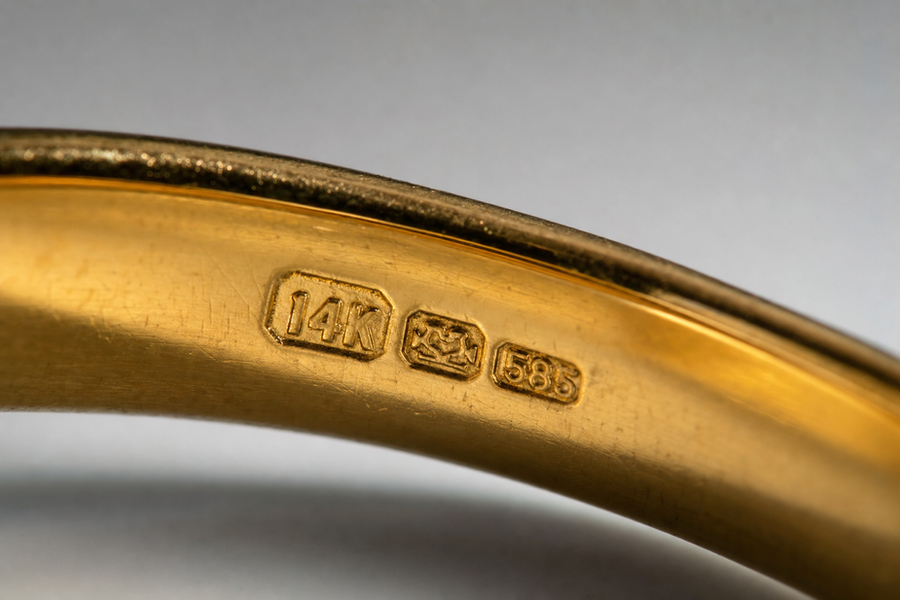
A stamped mark under a band, or a tiny engraving on a clasp, can change the whole game. It often tells you the item can be checked against known specs, which gives confidence when someone has to price it right away. A pawn loan usually leans on that fast certainty. Selling does too, but it wants the item to be easy to move without a long wait. Consignment, on the other hand, likes a story the buyer can inspect slowly, because the piece may sit until the right person shows up. That is why two things that look almost the same can split apart. A plain gold chain with a clear stamp behaves like a small, tidy puzzle. A designer piece with no visible mark can still be fine, but it asks for more time and more trust before anyone puts a number on it.
The hinge that keeps wobbling
Small movement at a hinge says more than a shiny front ever does. On a watch clasp, a camera door, or a guitar case latch, looseness hints at repeat use, not just age. That matters because repeat use affects how quickly the item can be put back into action. Fast-moving items fit selling or pawning better. Pieces that need a patient buyer, a careful test, or a collector's eye often suit consignment better. A-1 Trade & Loan on Commercial Drive sees this split every day: the same item can be a quick loan, a quick sale, or a slower display piece depending on what the wear says. The item does not just have value. It has tempo.
Which path fits the clue
Selling makes the most sense when the item has broad demand and no awkward question marks. You want a clean exit and you do not want to circle back. Pawning fits when the item is solid, recognizable, and you may want it back later. Consignment fits when the item looks right, but not everyone will see its value at a glance, so time helps. The odd part is that the fanciest-looking item is not always the best consignment candidate. A scratched but famous item can still sell fast because the name does the work. A beautiful but obscure item may sit longer because the buyer has to understand it first.
How to read your own item
Lay the item under a bright lamp and look for three things. First, check the spots that rub, because fresh wear often means quicker turnover than hidden damage. Second, look for marks that prove what it is, since clear identity cuts down hesitation. Third, notice whether the item feels obvious at a glance or needs explanation, because that decides whether speed or patience helps more. If the item is easy to name, easy to verify, and easy to picture in someone else's hand, selling or pawning usually fits. If it needs a patient buyer to understand why it matters, consignment may fit better. The strange little truth is that the best path is often written in the scratches, stamps, and hinges before anyone says a price. Take thirty seconds and put the item under a lamp. Find the wear spot, the identifying mark, and the one feature that would make a stranger pause. If those three clues point in the same direction, your choice is probably already showing itself.


Comments