
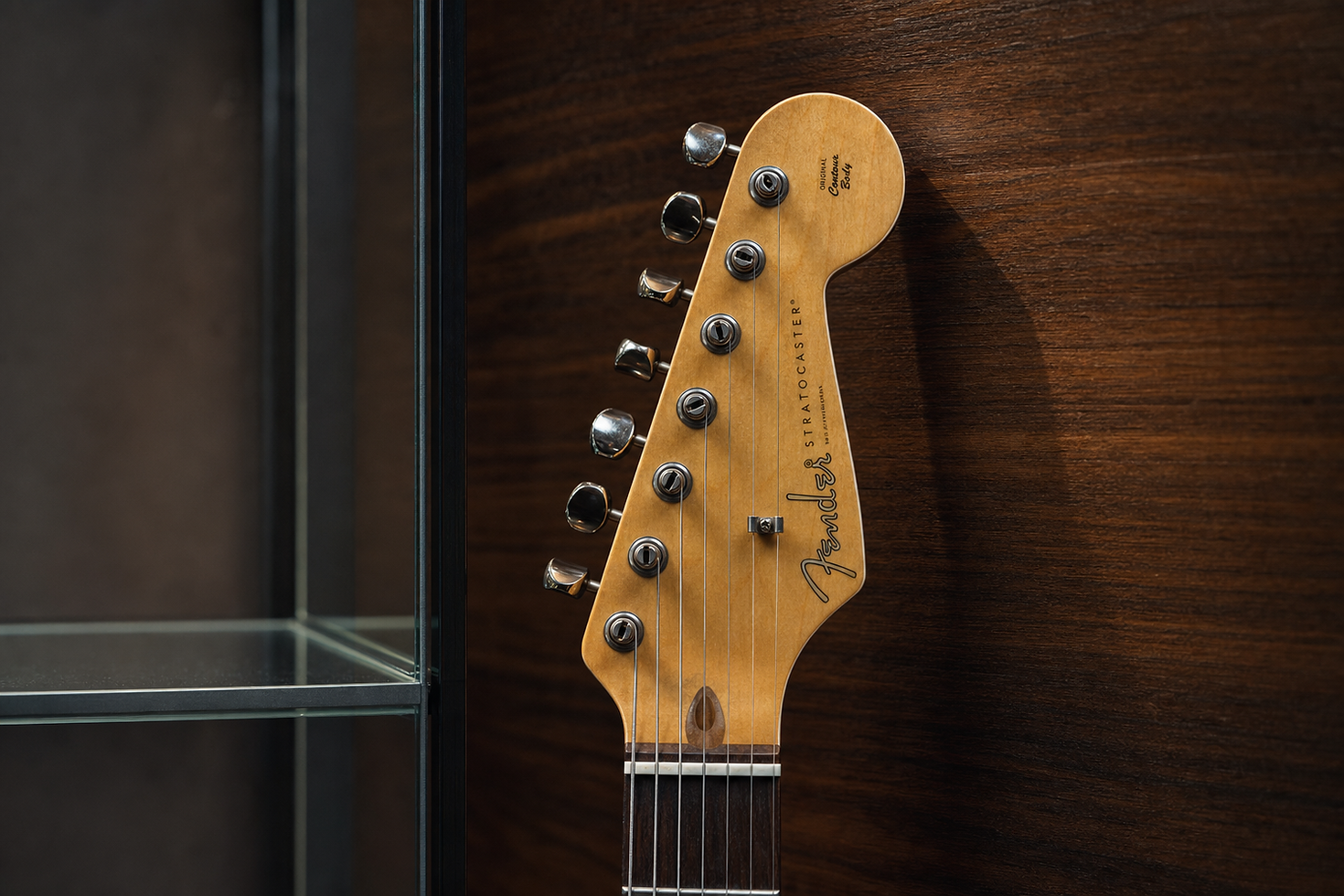
The Quiet Signal That a Pawnshop Wants Your Guitar
A man sets a Stratocaster on the glass. The offer comes back before he finishes his sentence.
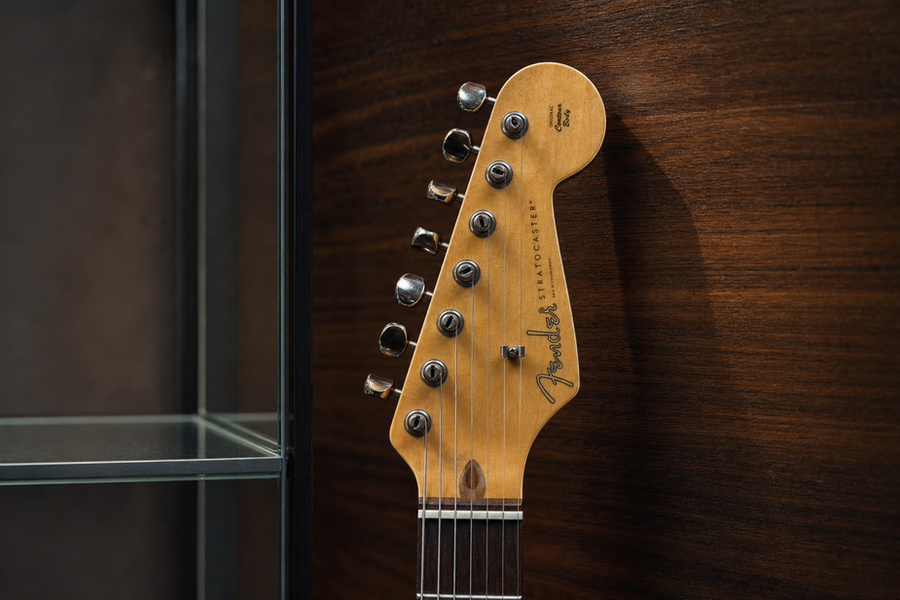
That speed is not an accident. When an offer lands in seconds — faster than any appraisal should take — something else is happening. The shop is hungry for that category. And once you know how to read that hunger, you stop guessing and start negotiating.
Speed is a shop's most honest tell
Normal appraisals take time. The neck gets checked for relief. The frets get a quick finger-run. Electronics get tested. When a shop skips those steps and goes straight to a number, it is not being sloppy — it already knows what it wants. A shop short on guitars does not need to inspect one carefully. It needs to own one. The offer reflects desire, not just condition.
The display case says more than the staff will
Walk the floor before you approach the counter. A category with thin inventory shows itself fast. Two lonely acoustics on a half-empty rack, both with handwritten price tags and no variety in brand or price range — the shop ran low and has not restocked. Contrast that with a wall of six instruments across three price tiers. That shop is stocked and will be selective. Empty pegs on a guitar rack are basically a want ad.
Watch how staff talk about recent stock
A casual question tells you a lot. Ask if they have seen many of whatever you are bringing in lately. A shop that is short on inventory in your category will often say so directly, because it is good for them if you know. "Haven't had a decent one come through in weeks" is an invitation. A shop flush with stock gives you the opposite — a vague answer, a slight pause, maybe a mention of several similar items in the back. Read the room.
Timing your visit is not overthinking it
Shops rotate stock faster after busy weekends and slower mid-week. January and September tend to push more items through the door as people sort out finances after the holidays or back-to-school costs. Showing up when inventory is thin and demand from buyers is steady puts you in the best position. The Stratocaster that gets a fast offer on a Tuesday morning after a slow week is the same guitar that gets a measured offer on a Friday when three others came through that same afternoon.
One move before you walk in
Check the shop's current listings online before you go. Most pawnshops update their inventory pages regularly, and a thin or stale listing in your category is a reliable signal that the floor is empty. If you cannot find your category at all, that is not a bad sign — it might mean they sold through everything. Either way, you walk in informed. Before your next visit, spend two minutes on the listings page and count how many items in your category are actually for sale right now.


Comments