
Who Can Actually Pick Up Your Pawned Item?
The pawn ticket is a small rectangle of paper, but it carries more legal weight than most people realize — and a faded serial number on it can decide whether your item walks out with someone else or stays locked in the back.

What the ticket is actually made of
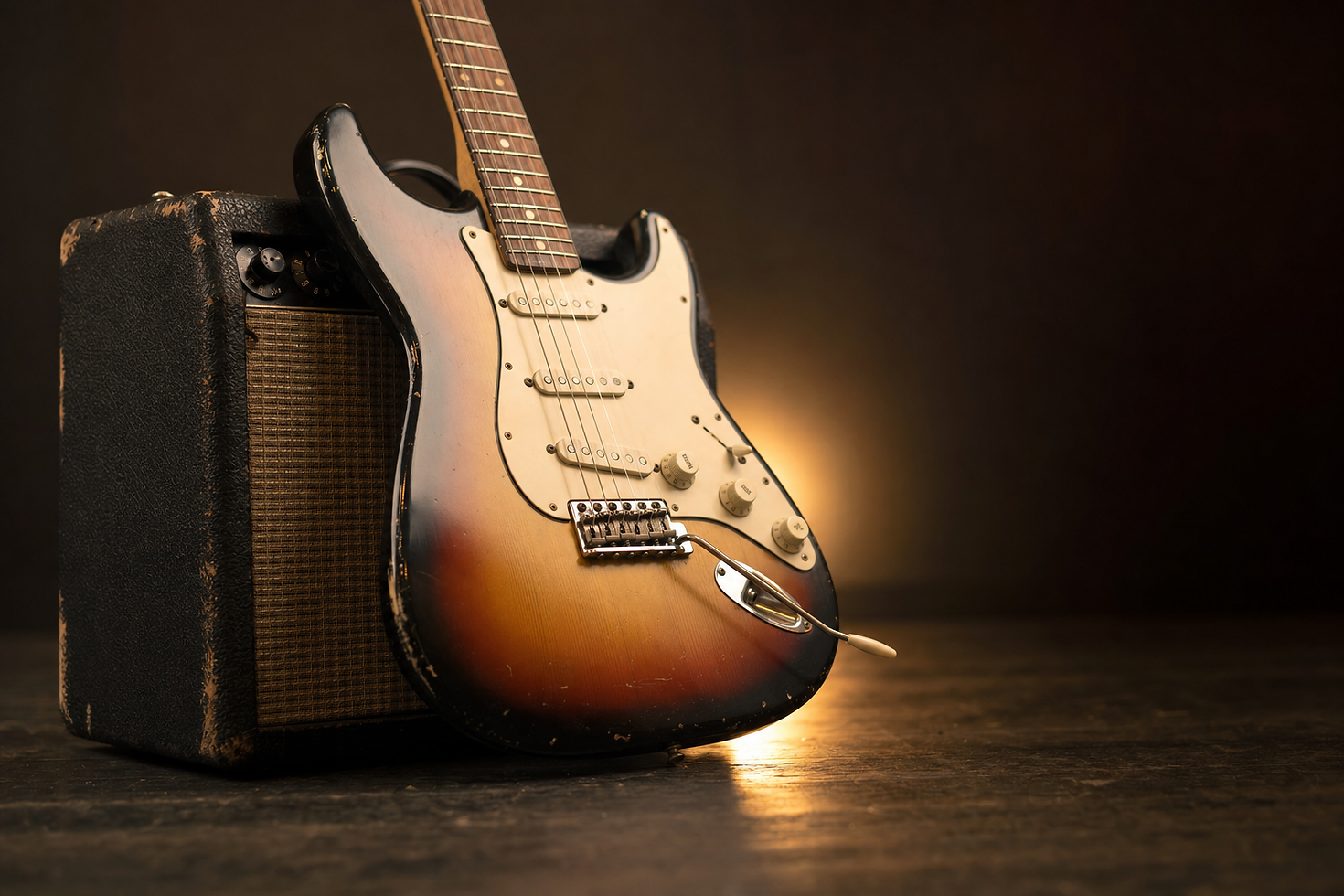
A pawn ticket isn't just a receipt. It's a claim document, and the physical object itself holds clues about what it authorizes. Look at the paper stock — thicker than a grocery receipt, usually with a printed serial number that matches a tag tied to your item. That number is the spine of the whole transaction. If two tickets exist with the same serial, the shop knows immediately something is wrong. The ticket also carries your name, the loan date, and a description of the collateral — in this case, say, a Fender Stratocaster with fret buzz noted in the description field. That detail matters more than people expect.
The name printed in the description field
Here's where the forensic part gets interesting. The name on the ticket is linked to the name on the ID used at the time of the loan. A Stratocaster checked in under your name has your name embedded in the shop's records, cross-referenced to a government ID number. When someone else shows up holding your ticket and your ID, that combination triggers a specific check at A-1 Trade & Loan on Commercial Drive: does the face in front of the counter match the face on the ID, and does the ID match the ticket?
Most shops will say no to a proxy pickup — not because of bureaucracy, but because the ticket-plus-ID system was built assuming the same person holds both. A borrowed ID and a borrowed ticket don't cancel out the mismatch; they create two mismatches instead of one.
The wear pattern on the ticket itself
A ticket that's been folded, carried in a wallet, and handled daily looks different from one pulled fresh from a drawer. Crease lines run parallel to the fold, and the ink at the fold points gets slightly lighter — a tiny degradation visible at an angle under fluorescent light. Shops notice this because a ticket in suspiciously mint condition, showing up with someone else's ID, raises a flag. The physical state of the ticket is an unintentional record of how it's been stored and who's been handling it.
The guitar's own identification layer
The Stratocaster sitting in back has its own set of tells independent of the ticket. The serial on the headstock, the fret buzz noted at intake, the strap button scratch near the lower bout — those details live in the shop's log, not on the ticket. Even if someone hands over a valid ticket and matching ID, the counter staff verify that the item being released matches the logged description. A ticket that says "Stratocaster, sunburst, serial XXXXXXX" won't release a different guitar, even if all the paperwork looks clean.
How to actually send someone else
If you genuinely cannot pick up your item, the process requires more than handing off your ticket and wallet. Most shops need written authorization — a signed note stating the authorized person's full name, plus a copy of your ID rather than the original. The authorized person brings their own ID alongside yours. Both documents get compared to the ticket record. The shop may also call you directly to confirm before releasing the item. Calling ahead to explain the situation before your proxy arrives saves everyone a frustrating trip.
The Smithsonian's National Museum of American History holds early pawnbroker ledgers showing that named-ticket systems existed as far back as the 1800s — the same logic of tying a claim to a specific person has just moved from handwritten ledgers to digital logs. Compare that to the modern process and the core mechanic hasn't changed: the name on the record is the name that authorizes release. Call the shop first, confirm what documentation they require for a proxy pickup, and make sure your authorized person shows up with both IDs and your written permission in hand.


Comments