
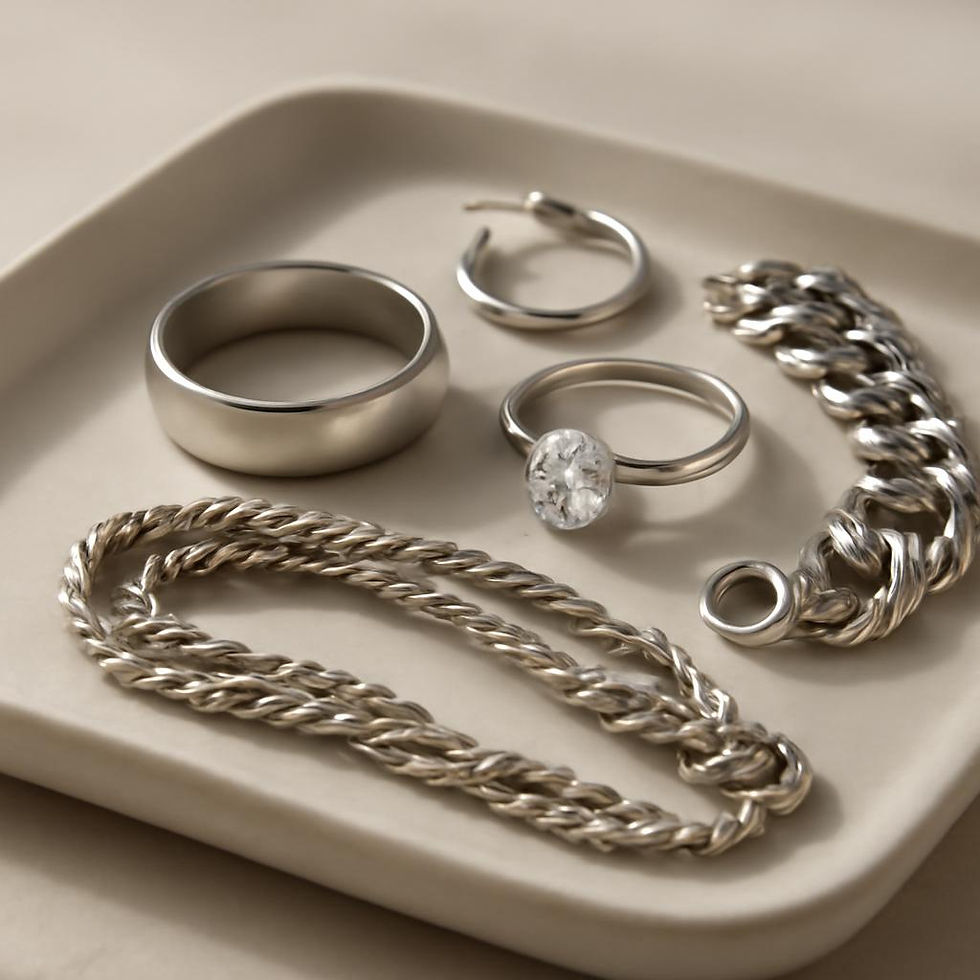
Do pawn shops buy platinum jewelry and how do they price it?
Do pawn shops buy platinum jewelry? Many do, but the offer can surprise you.

What pawn shops look for
You can bring a platinum ring or chain and get an offer, but shops check a few things first. They look at metal purity, weight, condition, and whether stones are real. Marks like "PT" or "950" are helpful, but lack of marks does not stop a test. Shops often use a handheld tester or a small acid/kit check for purity (how pure the metal is).
How pricing differs from gold
Platinum is priced by weight, like gold, but it behaves differently. Per gram, platinum often trades at a different market level than gold. Pawn shops typically pay less than the spot metal price. That gap covers processing, storage, and resale risk.
Shops also value work and wear differently. A chunky platinum piece may be worth more for metal alone. A delicate piece with a real diamond can fetch extra, but the shop will separate the gem value from the metal value.
Quick checklist before you go
Check for purity stamps like PT, PLAT, 950, or 900
Clean the piece so stones and marks show clearly
Weigh the item or get a rough estimate at home
Gather receipts, appraisals, or previous jeweler notes if you have them
Ask the shop how they test metal and how they handle stones
Know current market price for platinum and for common stones
Be ready to negotiate; offers are a starting point
Micro-moment
You meet a buyer in the shop. They weigh the piece and run a quick purity test. You watch as they explain each step; that small demo can tell you how careful they are.
How shops calculate offers (plain terms)
Shops start with metal weight. They convert grams to troy ounces only if needed, but you do not need to do that yourself. Then they estimate purity. Pure platinum is rare; common marks are 950 (95% pure) or 900 (90% pure). The shop multiplies weight by purity by a payout rate. That payout rate is lower than the market price.
Shops also subtract any expected cost to resell. That covers polishing, minor repairs, marketing, and risk if the metal price drops. If the piece has stones, the shop may offer two numbers: one for metal, one for the finished piece. If a stone is removable and valuable, the shop might buy only the metal and ask you to remove the stone first.
Red flags and smart moves
You should be careful about vague offers and fast pressure. If a shop offers much less than other local quotes, ask how they tested the metal and how they set the payout rate. If someone refuses to test or weigh in front of you, step back.
Bring a simple scale or use your phone to note weight if you know it. Take photos and time of day notes for your own record. If a piece has sentimental value, consider selling to a jeweler who will repair and resell versus a shop that melts for metal.
Negotiation levers you can use
You can nudge the offer up by pointing to clear purity stamps, recent appraisals, original receipts, or strong condition. If the shop plans to re-sell the item whole, ask for the breakdown: how much is metal, how much for stones, and how much for finished item value. If you want cash now, be ready to accept a lower number; if you can wait, ask about consignment or getting an appraisal first.
If the shop won’t show the scale and test, you don’t have enough information to accept the offer.
Today’s takeaway: Ask for weight and purity tests in front of you, compare one other local quote, and decide if you want metal cash now or more by selling the piece whole.


Comments