
What pawn shops really offer on value
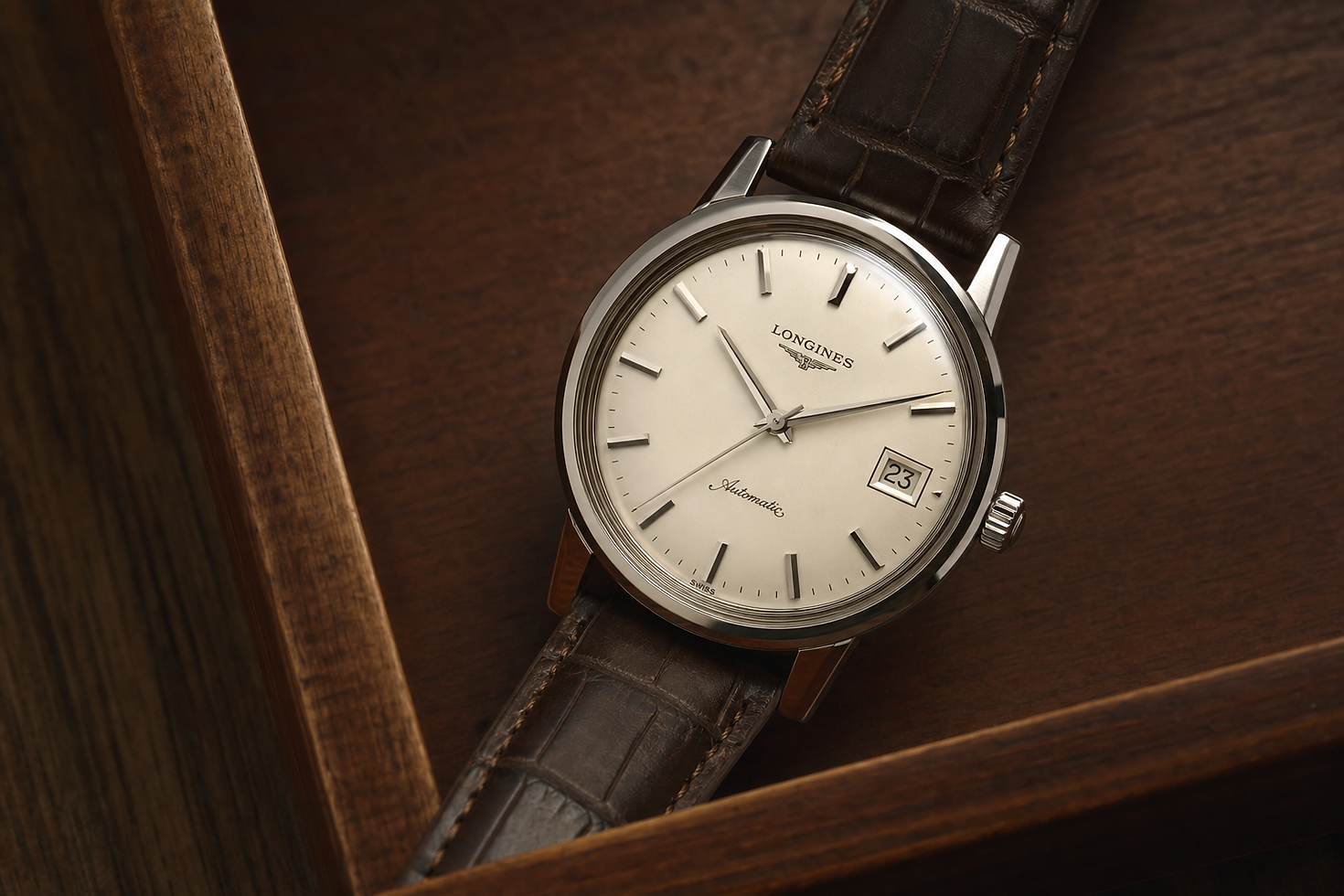
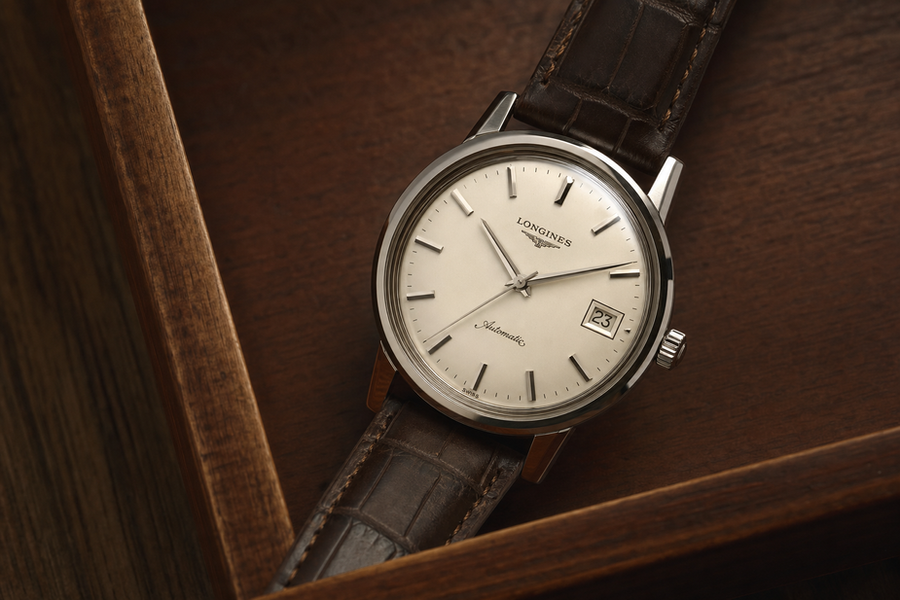
A man set a Seiko diver on the glass, and the room got very quiet.
The number nobody says first
People usually expect a pawn shop to name a giant share of value. The number is often much lower than that, and that shocks people because the item can still look perfectly good. A watch that still shines can be worth less in a pawn setting than a stranger expects, because the shop is not buying a story. It is buying a fast resale path. That is why two items that seem equal in a weekend sale can land very different offers. A clean Seiko diver with a stretched bracelet can still bring a steadier offer than a fancy watch with a hard-to-sell dial color. A pawn shop has to think about how long it may sit before the next buyer walks in.
Why the glass changes the math
The moment the item hits the glass matters more than most people guess. In A-1 Trade & Loan on Commercial Drive in Vancouver, the first look is not about sentiment. It is about how quickly the item can turn back into cash if needed. A pawn offer usually leaves room for risk. The shop has to cover the chance that the item will take longer to sell, need a battery, or come back with a hidden problem. That means the offer is tied to resale value, not to the price you paid years ago. A wedding gift and a garage sale bargain can get treated almost the same if they would both move at the same pace.
Why perfect condition still is not perfect
A lot of people think condition is everything. It is not. A mint-looking item can still be awkward to resell if the market is small. A loud, trendy piece might draw a better offer than a more expensive item with a narrow audience. The Seiko diver on the glass is a good example. If the bezel clicks cleanly and the crystal is clear, that helps. But a stretched bracelet can trim the offer because it changes the feel and the resale work. The odd part is that a tiny flaw on a common item can matter less than a tiny flaw on a niche one.
The part buyers miss
Pawn value is not just about what the item is. It is about how many people want that exact kind of thing this week. A gold ring with a simple shape may get more interest than a flashy ring that needs the right buyer. A tool can move quickly because buyers understand it. A camera with lots of features can sit longer if the model is too specific. That is the quiet reason the offer percentage varies so much. Shops are not using one magic number for every object. They are measuring speed, demand, and how easy it will be to resell without guessing wrong. The three-ball symbol used to tell ordinary people something similar: this place handled pledged items, and it knew how to turn them back into money.
Why the old symbol still makes sense
The three-ball sign was never just decoration. It helped people spot a place that understood quick loans and pledged goods at a glance, before everyone had time to read fine print or ask long questions. Ordinary people needed a place where value could be judged fast, in plain sight. That same idea still drives the offer today. The item has to make sense fast, because speed is part of the value. A pawn shop is not trying to match a retail sticker. It is trying to make a fair offer based on what it can realistically recover later.
What you can do in 30 seconds
Turn your item over and ask one simple question: would a stranger want this exact thing without explanation? If the answer is yes, the offer usually has more room. If the answer is no, the item may still be valuable, but the market gets narrower. That one question tells you more than the original price tag ever will.


Comments