
What pawn shops pay most for
Two items, two very different payouts

Path A is a current iPhone, unlocked, clean, and ready to sell again. Path B is an older laptop with a dented corner, a charger that is missing, and a battery that fades fast. Both still work, but one moves fast and one makes the next buyer hesitate. That difference can be worth more than the item itself. Pawn shops do not pay for sentimental value. They pay for the thing that can leave the shelf quickly without a long wait, a lot of testing, or a pile of questions. A shiny item that is easy to check usually beats a pricier item that needs repair, parts, or patience.
Why phones often win
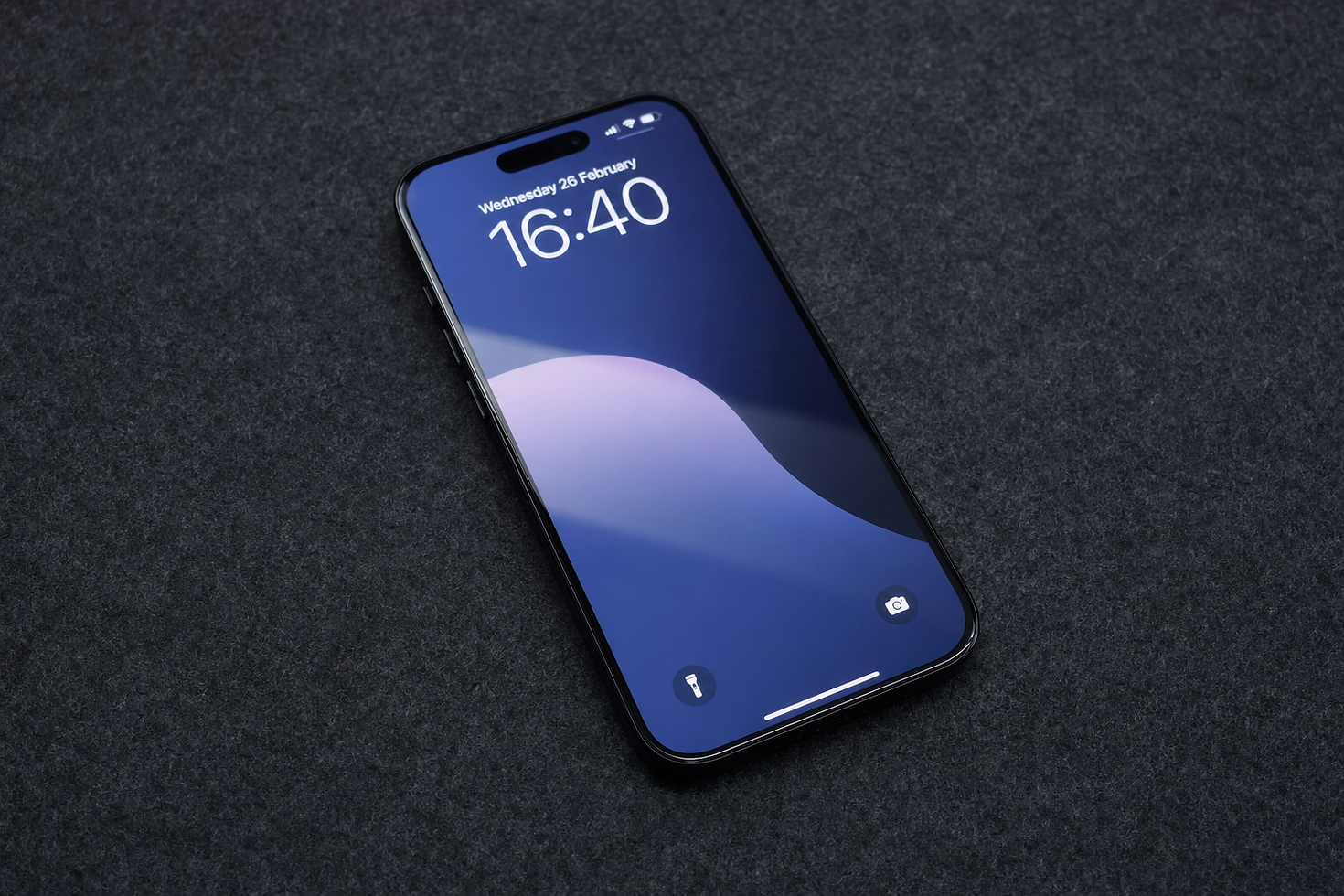
A locked iPhone usually pays less than an unlocked one, even if the glass is perfect. That feels backward until you remember the real job: it has to be easy to resell. A phone with no account lock, no cracks, and the right charger can be photographed, checked, and listed fast. That speed matters more than bragging rights on the model name. A newer iPhone, a recent Samsung, or a MacBook with a clean screen tends to hold attention because buyers already know what they are getting. Around A-1 Trade & Loan on Commercial Drive, that kind of item is the one that gets a quick, careful look rather than a long debate.
Gold beats almost everything else
Path A is a plain gold chain with the right weight and a clear stamp. Path B is a nice-looking fashion chain that only looks expensive from across the room. The gold chain usually wins because its value is built into the metal, not the mood of the buyer. That is why broken gold chains, rings with a missing stone, and single earrings can still do well. The shape may be ugly. The metal still counts. A lot of people miss that pawn shops are often closer to a materials market with a retail front than a treasure hunt with a price tag.
Tools and gear can surprise you
A cordless drill with two batteries can beat a bigger tool that comes in empty-handed. The reason is not mystery. It is resale certainty. A buyer can test the drill, match the battery, and move on. The same idea helps guitars, cameras, and consoles. A guitar with straight tuning pegs and a sound that rings clean can outshine a fancier model with a neck issue. A camera body with the lens, battery, and charger is easier to move than a lonely body with no way to prove it works. Missing parts turn a quick sale into a puzzle.
The real winner is easy resale
The item that pays most is usually the one with the widest pool of buyers and the fewest unknowns. That means current phones, gold, popular game systems, name-brand laptops, and clean power tools often land near the top. Rare items can still do well, but rarity is tricky when the next buyer has to be educated. A rare watch with a wrong bezel insert may be worth less than a common model in honest shape. A designer bag with worn corners may lose to a simpler bag that still looks sharp. The best payout is not always the fanciest thing in the room. It is the thing that sells without a speech.
What to check in 30 seconds
Before you bring an item in, check three things: does it power on, are the parts complete, and is there anything that slows a resale. A charger, case, battery, or original box can change the conversation fast. The point is not to make the item perfect. The point is to make it easy to verify. If you want the strongest number, compare your item to the plainest version of the same model online and ask whether yours is easier or harder to resell. That simple question usually tells you more than the original price ever could.


Comments