
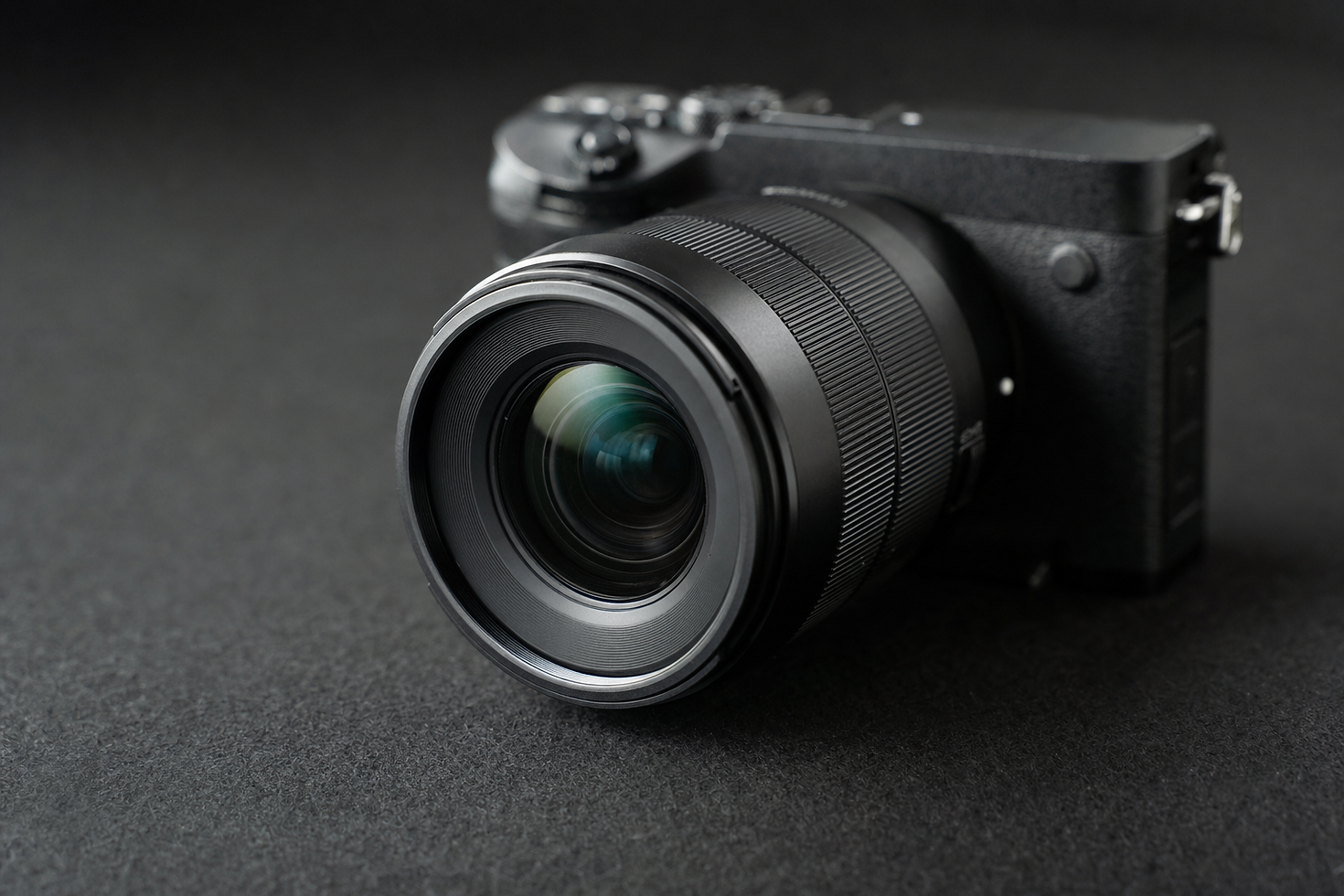
Bundling Items Gets You More Money — But Not Why You Think
Most people believe bundling works because shops love a deal and reward generosity. In reality, a DSLR body alone might get you $120, but paired with its original battery grip, two lenses, and charger, the same body can anchor a $280 offer — not because of goodwill, but because of something called resale friction.

The myth that volume equals charity
Most people assume shops offer more on bundles the way a grocery store marks down a six-pack — bulk discount as a favour. Actually, the math runs the opposite direction. Shops offer less per item when they have to guess what's missing, and more when a complete package removes that uncertainty entirely.
Why incomplete items are quietly penalized
The truth is, every item that arrives without its accessories carries a hidden markdown. A mirrorless camera body with no charger forces a buyer to hunt for a third-party one, or skip it entirely. That friction costs real dollars. In reality, the shop prices in the risk of a slow sale, a partial return, or a buyer who haggles because the kit isn't complete. The bundle doesn't just add value — it removes a penalty that was already there.
What actually drives a bundled offer up
Actually, three things make a bundle worth more than the sum of its parts: resale speed, reduced buyer questions, and confidence in condition. A camera paired with its original grip, strap, box, and manual tells a buyer the previous owner cared. That signal is worth money. The lens that proves the mount is undamaged. The original charger that proves the battery is genuine. Most people think accessories are extras — in negotiation terms, they are proof.
A-1 Trade & Loan on Commercial Drive sees this play out constantly with photography gear. A body alone sits. A body with glass moves fast, and fast-moving inventory earns better offers at intake.
Why people get this wrong
Most people think about what they paid for each piece separately, then add those numbers up and expect the bundle to reflect that math. In reality, retail price history is almost invisible in a negotiation. What moves an offer is sold comps — what that exact bundle actually sold for on the used market last week, and how quickly. A complete kit with a known model number and a recent eBay sold listing is a fact. What you paid three years ago is a story, and stories don't shift offers much.
The accessory that matters most is the one that unlocks resale
Most people bundle wrong. They throw in a generic off-brand bag and a scratched UV filter and expect a bump. The truth is, only accessories that expand the buyer pool or prove the item works as intended earn that bump. For a camera, the original battery and charger matter. For a power tool, a working battery pack is the difference between a sale and a shelf queen. For a console, the original controller and HDMI cable let a buyer plug in and play — which is exactly what a buyer paying used-market prices wants. In reality, one correct accessory outweighs three irrelevant ones every time.
What to do before you walk in
Search the exact model number plus "complete kit" on a sold-listings site — not the asking price tab, the sold tab. Screenshot the result that matches your bundle most closely. Lead with the model name, note the condition honestly, and mention each accessory by name. That one screenshot does more work in thirty seconds than five minutes of explaining what you originally paid. The bundle earns its premium because it removes doubt — your job is to show that the doubt is already gone.


Comments