

When a J12 Color Changes the Market
A Chanel J12 that goes matte or shrinks to "mini" can change what buyers want overnight. That sounds dramatic, but small clues on the case tell the real story and your cash option depends on them.
Why core blue matters?
When Chanel moves a shade from limited runs into the core lineup, scarcity doesn't disappear evenly. Early blue J12s were fired with a slightly different glaze and under a loupe you can see faint striations across the ceramic — a tiny fingerprint of the first batches. Collectors will pay more for that inconsistent glaze because it proves "first run" status. New core blue will flood the market slowly, and that makes the earliest blues oddly more collectible, not less.
The matte trick you didn't expect
Matte looks like it will hide scratches but it does the opposite for chips. Matte ceramic scatters light, so a hairline chip at a lug or bezel edge lights up like a road sign under a jeweller's loupe. Those micro-fractures started by a drop won't polish away because matte ceramic has no finish layer to reflow. A glossy J12 might take surface scuffs that mask with a quick buff, but matte chips are permanent and the counter will treat them as replacement-cost damage.
Mini size means a different movement
Smaller J12s often hide a simple truth: they sometimes use quartz — a battery movement — instead of an automatic mechanical movement. That matters more than band size. You can tell in five seconds by watching the second hand. If it ticks once per second, it's quartz. If it sweeps smoothly, it's mechanical. A quartz mini is lighter to some buyers and cheaper to service long-term. That changes how much a pawn counter — and a buyer — will value it today.
The tiny tells the counter checks
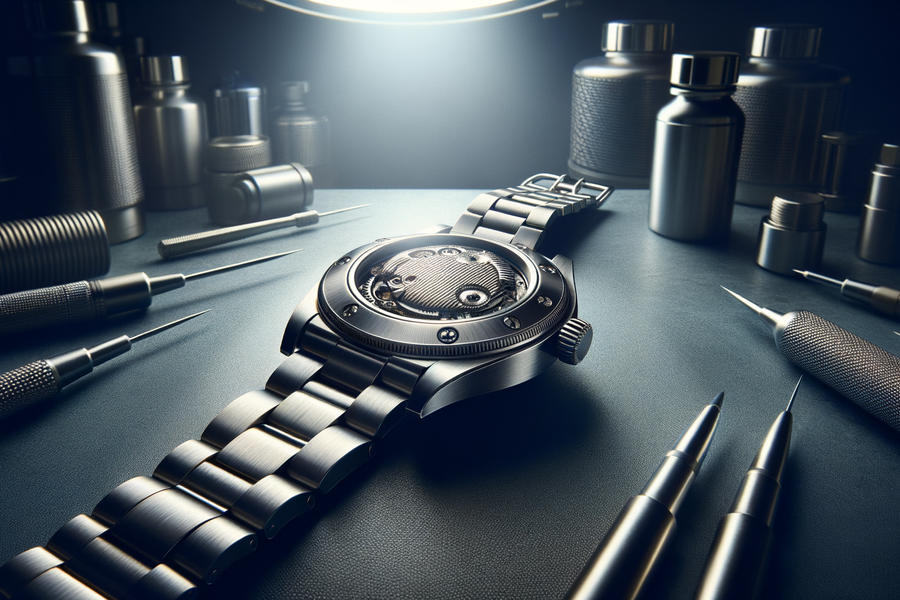
The first look is at the bezel teeth and the spring-bar cut inside the lug. If the spring-bar notch is cracked or widened, someone forced the bracelet off — big red flag because replacement ceramic end-links are cut to color and cost a lot. The clasp tells another story. A tight, crisp deployant click with no sideways play says the bracelet hasn't been taken apart much. A loose clasp plus one mismatched link under bright light means a replacement link was used and the shade won't match under certain angles. Bring the box and warranty card if you have them. A serial on the caseback and the original card cut the doubt in half when the counter calls the reference number. A-1 Trade & Loan on Commercial Drive will also pull the watch to the light and check the inner edge of each link for chips that only show at a 45-degree angle.
What vintage blue owners miss?
If your blue J12 is an early limited run, tiny glaze differences are your friends. Sellers often miss the subtle ridge inside the bezel that early batches left behind during firing. That ridge is invisible in photos but a clear signal in hand. It proves that your blue is from before the color became core, and that can flip a casual offer into something a collector will sit on for. The new matte blacks meanwhile create a niche where glossy pieces become the new classic.
One thing to try right now
Set the watch on a white paper and hold a bright light at a low angle. Look for a tiny chip inside the lug cutout and a sheen mismatch between adjacent links. Then watch the second hand for one full minute to see if it ticks or sweeps. Those two checks take under a minute and tell you whether the piece is likely quartz or mechanical, and whether a forced bracelet repair is hiding in plain sight. Use that information when you decide to ask for cash or a loan. If the watch is a true early blue or the finish is pristine, that small detail is the thing that changes an offer more than any brand name on the dial. Do the two tests now and you'll know exactly which conversation to start at the counter.


Comments