
What proof helps when you sell high-end instruments?
- Feb 20
- 2 min read
Big mistake: selling a high-end instrument without proof cuts your offer by hundreds.

What basic documents should you bring?
Bring the original receipt and any sales paperwork if you have it. These show the purchase date and price, which can raise offers by $200–$1,000 on mid- to high-end gear.
Does serial number documentation matter?
Yes — the serial number links the instrument to its model and year. A clear photo of the serial plus the maker’s paperwork can lift trust and speed up the sale.
Will photos and maintenance records help?
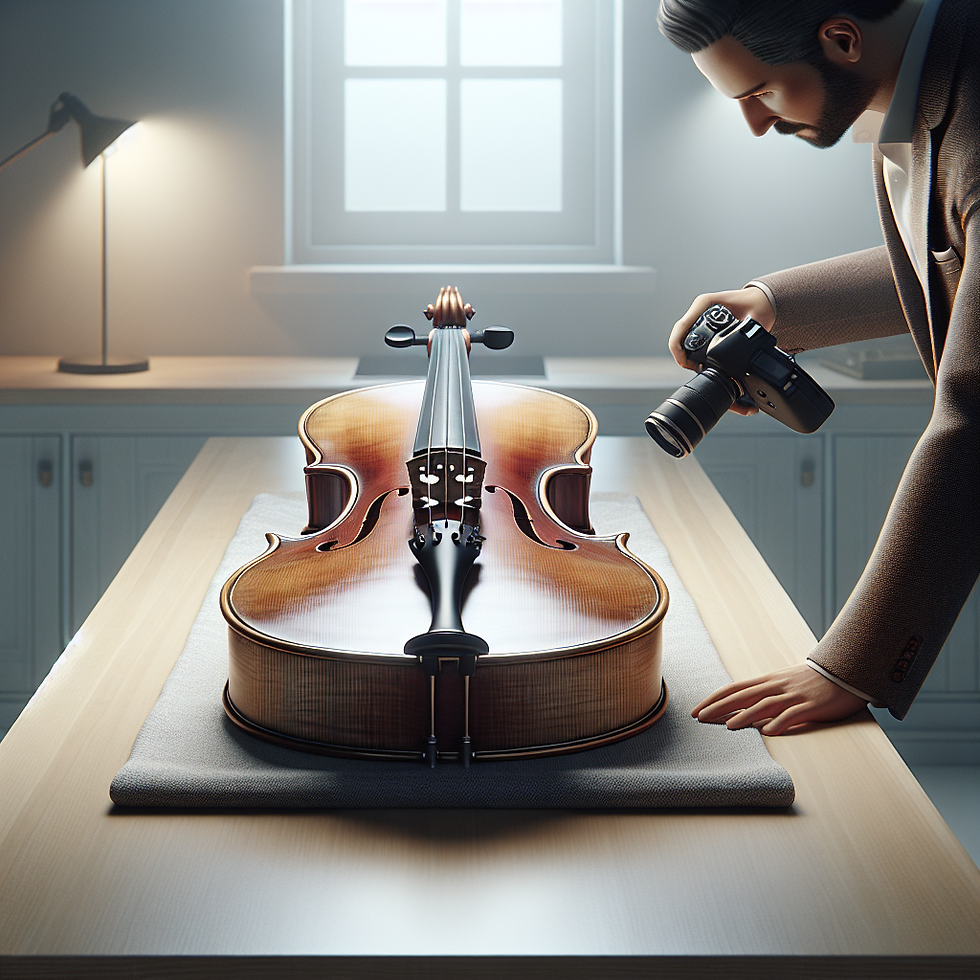
Absolutely. Show clear photos of the instrument, closeups of wear, and a list of repairs or setups. If you have 3–4 dated shop receipts showing setups or fretwork, buyers see the gear was looked after.
What about provenance or original case and accessories?
Original hard cases, pedals, power supplies, or original invoice files add real value. A full package can move a guitar from $800–$1,500 up to $1,200–$3,000 depending on make and condition.
Is a third-party appraisal useful?
A short answer: yes, sometimes. Use a written appraisal from a recognized tech or luthier if the instrument is over $2,000. It’s most useful when you expect to get 60–80% of retail from a buyer.
What ID and legal documents do you need to sell?
You will need government ID for the transaction. Some shops hold items for 30–60 days for consignment or loan records, so expect to show the same ID if you return.
How do you prep when you walk into a pawnshop or buyer? (prep checklist)
Bring government-issued photo ID matching your name on any receipts
Carry the original receipt or a copy showing purchase price and date
Bring the instrument’s case, cables, pedals, and serial number photo
Include 2–4 photos of the instrument from different angles, plus closeups of wear
Pack any service receipts, appraisals, or authentication papers
Write a one-page list of recent maintenance and upgrades with dates
Quick scenario: selling a vintage amp at the counter
You find a vintage tube amp in your attic. You bring the amp, its original case, a 2006 receipt, and a photo of the serial number. The tech checks tubes and matches the serial; your offer jumps by several hundred dollars because the amp is verified.
What red flags will lower offers even with documents?
Damage not listed in paperwork, mismatched serials, or non-original parts cut value fast. If the paperwork is vague or handwritten with no shop name, expect offers to be 20–40% lower.
Should you mention upgrades or mods?
Always list mods and show receipts for parts and labor. Some buyers like tasteful upgrades; others discount heavily for irreversible changes.
Final practical tip before you walk in
Organize a single folder with ID, receipts, photos, and a one-page maintenance list. When you present everything neatly, you look prepared and get higher, faster offers at shops like A-1 Trade & Loan on Commercial Drive.
A well-documented instrument sells for more — and faster.
If it won’t stay in tune through a short play test, assume there’s a reason and negotiate from that risk.


Comments