

Pawn Shops Pay Most for These Items — Here's Why
You can walk in with something worth thousands and leave disappointed, or walk in with something modest and leave with more cash than you expected — the difference is almost never about price.
The fork you're actually standing at
The real choice isn't "should We pawn this?" It's "does this item move fast or does it drag?" Speed and demand are the same thing in a pawn shop. An item the counter can turn around in a week gets priced generously. An item that might sit for six months gets priced to absorb that wait — which means less for you, right now.
What makes one item cash in minutes
Think about a Samsung Galaxy in clean condition, screen intact, no account lock. The counter can verify it in about four minutes. It has a known resale price, a steady local buyer pool, and no guesswork. That certainty is worth money — yours. High-demand items share three traits: they're easy to authenticate, they have a predictable resale value, and they move without needing the right buyer to show up. Unlocked smartphones, newer laptops, power tools with batteries included, and plain gold jewelry all fit this profile. Gold especially, because its value doesn't depend on anyone's taste — it's just weight times the spot price.
What tips the decision toward a strong offer
Prep matters more than most people realize, and it costs you nothing but ten minutes. A cordless drill sitting in its original case with both batteries and a charger is a completely different transaction than the same drill in a grocery bag with one dead battery. The kit version tells the counter it works, it's cared for, and it won't need explaining to the next buyer. A-1 Trade & Loan on Commercial Drive sees this split constantly — the same model item can fetch noticeably different offers based purely on whether the accessories showed up with it. Charge the device. Find the case. Grab the charger. That prep turns a hesitant offer into a confident one.
Which side of the fork usually wins
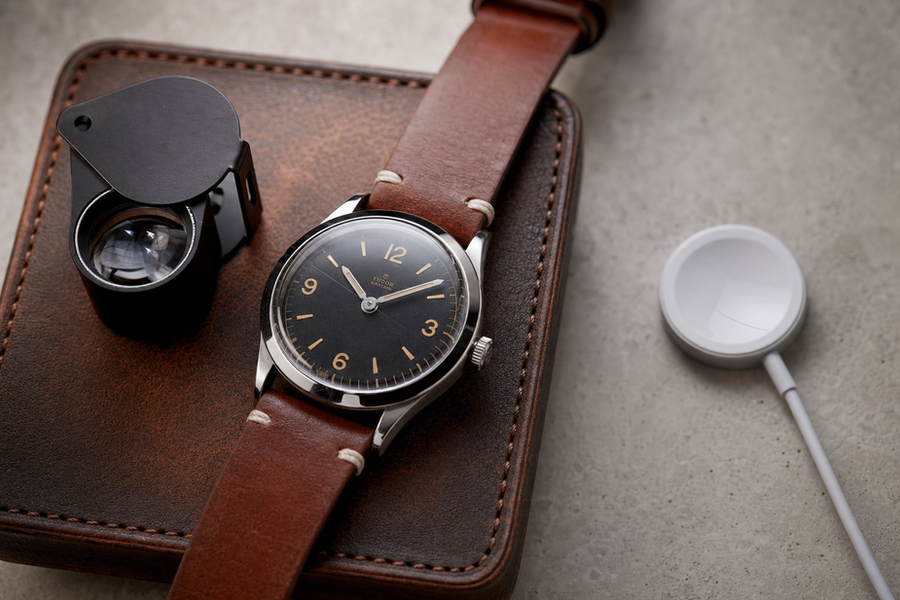
High-demand wins almost every time on speed. The categories that consistently get strong offers are: gold and silver jewelry, current-generation smartphones without activation locks, name-brand power tools with full kits, gaming consoles in working condition, and quality watches with clear brand markings. These items share one thing — the counter doesn't have to guess. A Dewalt drill with a known model number has a resale comp inside of sixty seconds. A decorative sword or a niche collectible does not. When the research takes longer, the offer gets more conservative to cover the uncertainty.
When the exception applies
Niche items can still pay well — but only when you bring the proof. A vintage camera with original documentation and a verifiable model sells differently than one in a scuffed case with no provenance. Specialty musical gear, certain collectible watches, and older audio equipment can all command strong offers when the seller understands what they have and can demonstrate it. The item becoming the main character of its own story, rather than a mystery to solve, is what flips the exception. If you can show it works, name the model, and point to a sold comp online, the drag disappears.
How to pick your path before you walk in
Ask yourself one question: can someone verify this item's value in under five minutes without special knowledge? If yes, you're on the fast path — clean it, charge it, bring every accessory that proves it works, and expect a confident offer. If no, your job before you walk in is to close that gap. Pull the model number. Find a recent sold listing on a resale site. Bring documentation if you have it. The counter's confidence in what your item is worth becomes your offer — so the more you remove the guesswork, the better the number gets.


Comments