

What paperwork helps when selling higher-end jewelry or watches
Mistakenly showing up with only a bag and a story is the most common error people make when selling fine jewelry or watches.
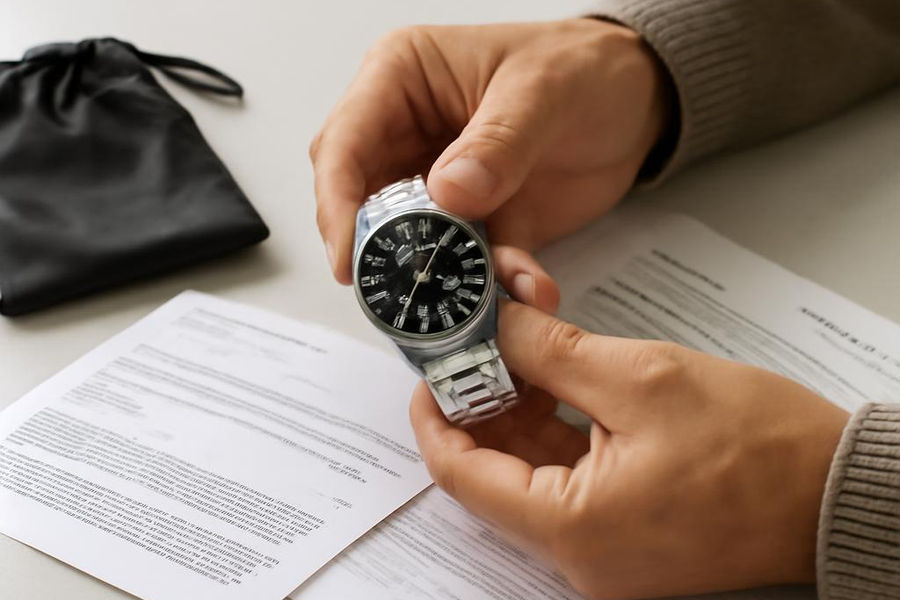
Low-risk sales: items under about $1,000
If the piece is modestly priced, simple paperwork speeds things up. A receipt or original store tag is best. A basic appraisal or a recent repair invoice also helps. If you have a box or a branded pouch, bring it. Clean, well-presented items sell faster and often fetch better offers.
Medium-risk sales: $1,000 to $10,000
For mid-range pieces you should add proof that ties the item to you. A dated receipt with the seller name matters. Appraisals done by a certified appraiser add weight (certified means the appraiser belongs to a known appraisal body). A recent service record for watches or a jeweler’s cleaning receipt helps too.
Make sure any appraisal lists the metal type, gem weights, and a clear description. If a watch has its service history and warranty card, bring them. If you don’t have original papers, a photo of you wearing the item in a real-life setting can help establish ownership.
Micro-moment: You meet a pawnbroker or buyer in person. You hand over a small leather folder with a receipt, appraisal, and a service tag. The buyer flips through it and nods—this cuts the back-and-forth and shows you prepared ahead.
High-risk sales: above $10,000
High-value items need stronger proof. Original purchase invoices with serial numbers are ideal. Full lab reports for diamonds or colored stones matter. For branded watches, original warranty cards, boxes, and service records are very important. If the watch has a serial number on the case, make sure it matches paperwork.
If you have a recent independent gem lab report (for example, a lab report that states diamond grade and carat), bring it. For estate or inherited pieces, a short notarized note that states how you got the item can reduce doubt. If you lack documents, expect a lower offer and be ready to accept more time for verification.
Negotiation levers and red flags
Bring original receipts and any branded box or pouch you have
Include certified appraisals or lab reports when possible
Service records for watches and repair invoices for jewelry boost trust
Clear photos of provenance (signed receipts, estate letters) help ownership claims
If paperwork is missing, accept that offers may be lower and request time for second opinions
Red flag: inconsistent serial numbers or unidentified stones; buyers will price down
How to present paperwork and get the best offer
Organize documents in a small folder. Label each page with a short sticky note: "invoice," "appraisal," "service record." Keep copies, not originals, unless asked for originals. When you meet the buyer, lead with the strongest pieces of proof first: receipt, serial number, lab report.
Always ask what the buyer verifies. Some buyers will test metals or stones on site. Others will send items for lab checks. Ask roughly how long that takes and whether you get a written condition report. If you expect a quick sale, focus on documents that show recent value and condition.
If you are selling an inherited piece, bring any documents from the estate sale or executor. A notarized letter that states you are the owner can stop the sale from stalling. For family pieces, a short email chain or letter that shows transfer of ownership also helps.
If you plan to sell multiple items, group paperwork by item. Put one label on each item and tape a small index number inside the folder. This keeps offers clear and reduces confusion.
Final practical tips before you go
Clean your items gently with a soft brush. Don’t use harsh chemicals. Pack paperwork and items separately so nothing gets lost. Be ready to wait an extra day if the buyer wants a lab check—this can mean a higher, cleaner offer.
Stones can add value, but only when they’re verified — don’t let "maybe" inflate the number.
Today’s takeaway: Bring clear receipts, certified appraisals, and service records to get faster, fairer offers when selling fine jewelry or watches.


Comments