
What music gear holds its value best? A practical pawnshop view
Think a guitar keeps its price forever? Not always. Some music gear holds value much better than others.

What matters most for resale
Age is only one factor. How well the instrument was kept matters more. Hard cases, low humidity and few repairs help. Brand names matter, but so do model and condition. Small scratches cut value less than broken electronics.
Top categories that hold up
Here are the kinds of instruments that tend to keep value. Think of them as safer bets if you plan to sell or trade later.
Acoustic guitars with solid wood tops and original parts
Vintage electric guitars from well-known makers in good condition
Upright and high-end digital pianos with weighted action
Brass and woodwind instruments from respected makers with clear serials
Studio microphones and outboard gear that are clean and fully working
Pedals and effects from boutique makers with limited runs
High-end synths and keyboards that still have support or a strong user base
How to test value quickly (micro-moment)
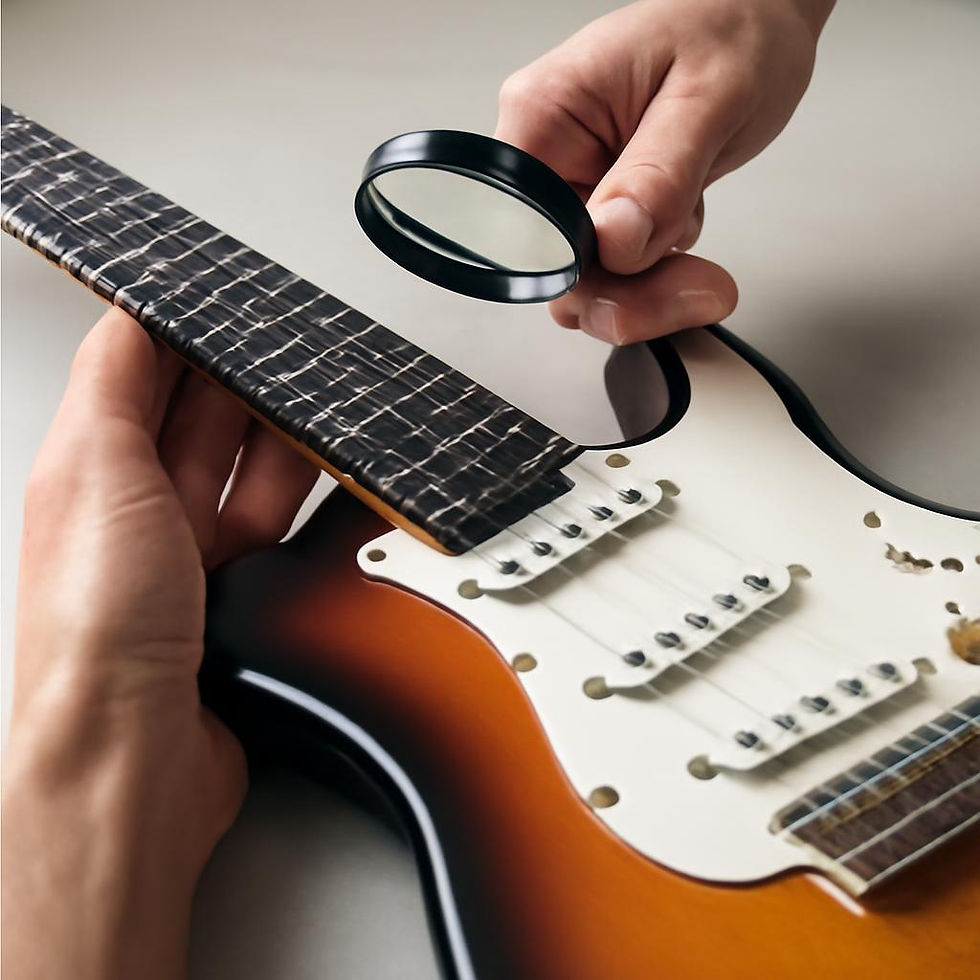
You meet a seller with a case and a gig bag. Ask to see the serial number and the back of the headstock or body. Play a few chords or blow a few notes to check tone. Those quick checks tell you a lot.
Red flags that sink value
Cosmetic wear is normal. Heavy oxidized metal, cracked necks, or missing keys are different. Repaired headstocks, rewired electronics with messy solder, and replaced pickups often cut price sharply. Missing original parts or cases can shave off a big chunk.
How to set a fair offer
Start with a clear rule: offer what you would sell for in one month. That gives room for repair and reconditioning. If the piece needs work, subtract estimated repair costs and a small margin for your time. Be honest with the seller about what you found. Clear notes and a quick demo go a long way to closing a deal.
Quick checklist before you buy or sell
Confirm the instrument powers up and all controls work smoothly. Inspect neck, frets, and bridge for major wear or cracks. Check electronics for noise, crackle, or loose jacks. Verify serial numbers and search for model notes if possible. Check for water damage, warping, or swollen wood.
If it won’t stay in tune through a short play test, assume there’s a reason and negotiate from that risk.
Today’s takeaway: Aim for instruments with original parts and clean function to keep the most value.


Comments