
How to price a used guitar for a quick sale
Think the fastest way to sell your guitar is to halve the price? That can leave money on the table.

What buyers actually pay for
Buyers look at sound, playability, and condition first. Brand and model matter, but not as much as how the guitar feels and sounds. Heavy wear, fret wear, or buzzing lowers the price fast. Good strings and a fresh setup raise interest and can add value.
Quick checklist before you set a price
Clean the guitar and polish the fretboard.
Change strings and tune up before photos or meetings.
Check electronics and replace batteries or loose pots.
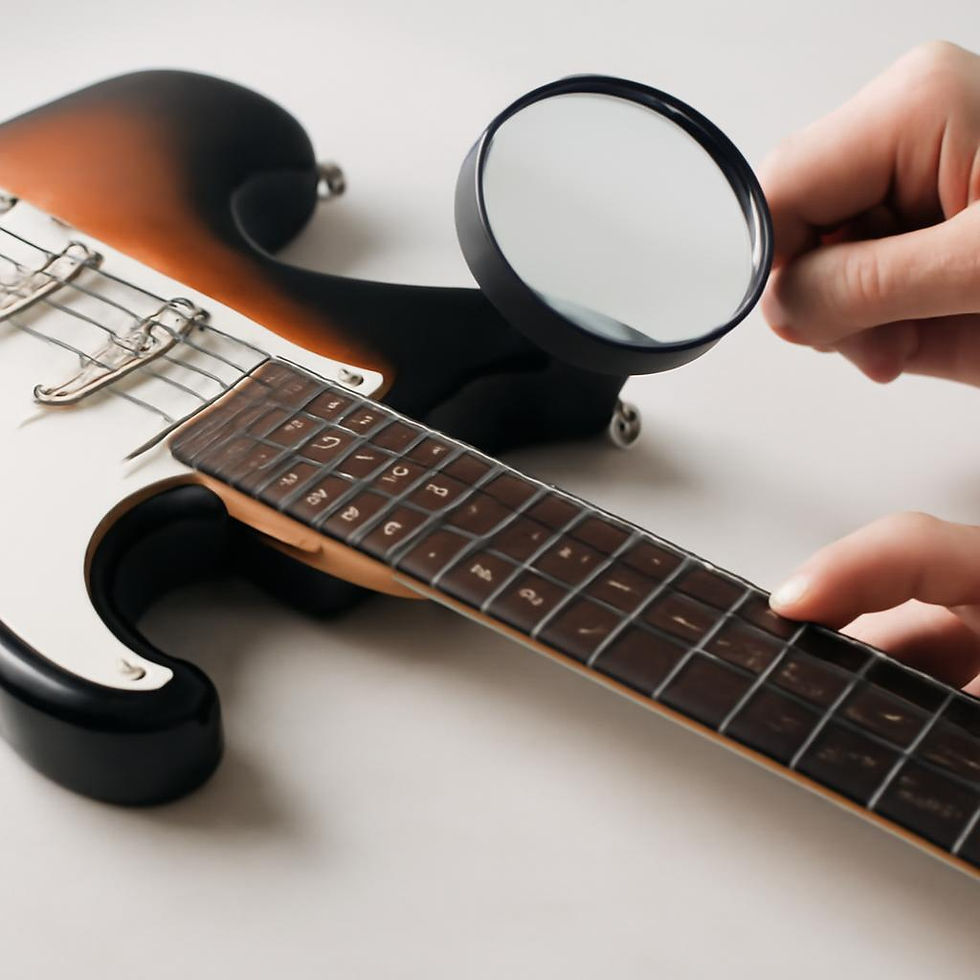
Measure fret wear and report honestly (small photo helps).
Note any repairs or replaced parts and keep receipts.
Take clear photos: front, back, headstock, and any damage.
Gather original case, gig bag, and paperwork if you have them.
How to pick a target price fast
Start with a simple rule: list at 60–75% of the typical used price for that model if you want a quick sale. If you need cash the same day, list at the lower end. If you can wait a week or two, list higher and be ready to negotiate.
Find one or two recent sale examples that match your guitar. If you can’t find exact matches, use similar models from the same brand and adjust for condition. If the guitar has been recently set up or has new hardware, add a small premium.
Pricing tweaks by condition
If the guitar is in mint or near-mint shape, aim for 70–75% of usual used price. If it has visible wear but plays well, aim 60–65%. If it needs work that a player would notice right away (buzz, cracked finish, bad electronics), aim 40–55%.
Always leave room to negotiate. Many buyers expect to haggle 10–15%. Set your initial price with that in mind so the final agreed sale is still acceptable to you.
Micro-moment: You meet a buyer at a cafe. They ask to plug in and play. Let them play for a few minutes. Watch how it feels and listen for odd noises. This small test usually tells you more than any photo.
How to describe the guitar honestly
Write short, clear lines about condition. Mention recent work, like a fret dress or new nut. Say if tuners are upgraded or if pickups were swapped. Honest notes build trust and speed up a sale.
If you include a case or extras, list them and add a bit to the price. If you don’t have the original case, mention what you do have so there are no surprises at pickup.
Negotiation tips for a fast sale
Start by setting a firm lowest acceptable price in your head. When a buyer offers less, counter with a number close to your floor, not the full list price. Be ready to accept a clean cash deal; it often closes faster than delayed payment methods.
If you want the sale done same day, be open to a small discount for immediate cash. If the buyer asks for a demo, be patient. A quick, confident setup for playing makes buyers comfortable and shortens negotiations.
One slow pass across every fret can save you from a repair bill that kills the deal.
Today’s takeaway: Price by condition and let a clean, ready-to-play guitar do the selling for you.


Comments