
How to price a used guitar for a fast sale
You price too high and it sits. You price too low and you leave cash on the table.

Myth vs fact: ‘Brand is everything’
Myth: The brand alone makes a guitar worth a lot.
Fact: Brand helps, but condition and playability matter more for quick sales. A well-played, cared-for mid-range guitar will sell faster than a neglected high-end one.
Myth vs fact: ‘You must list full retail’
Myth: List it at the new price and wait for offers.
Fact: For a quick sale, price closer to local used market rates. Buyers want a clear win. A fair, honest price speeds the sale and cuts back-and-forth.
Myth vs fact: ‘Small flaws don’t affect price’
Myth: A small ding or finish chip doesn’t change value much.
Fact: Visible damage can shave real cash off the price, especially for casual buyers. Some marks are cosmetic and fine; others make buyers ask for big discounts.
Myth vs fact: ‘Listing everywhere equals fast sale’
Myth: Post on every app and you’ll get more offers.
Fact: Quality beats quantity. One clear listing with good photos and honest notes often brings a faster sale than scattered, messy ads.
Myth vs fact: ‘You must include a case or it’s worthless’
Myth: No case, no sale.
Fact: A case helps, and a case adds value. But a playable guitar without a case still moves fast if priced right.
Quick checklist inside the myths
Price to sell means trimming time and risk for the buyer. Be ready to answer simple questions and be honest in the ad. Small fixes are often worth the cost if they let you ask a little more.
You meet a local buyer in a cafe parking lot. They plug the guitar into a small amp and it buzzes. You hand them a clean cloth and show where the bridge screw is loose. A quick tightening and the tone clears. The buyer smiles and offers cash on the spot. This is how small fixes change the deal.
Fast check before you pay
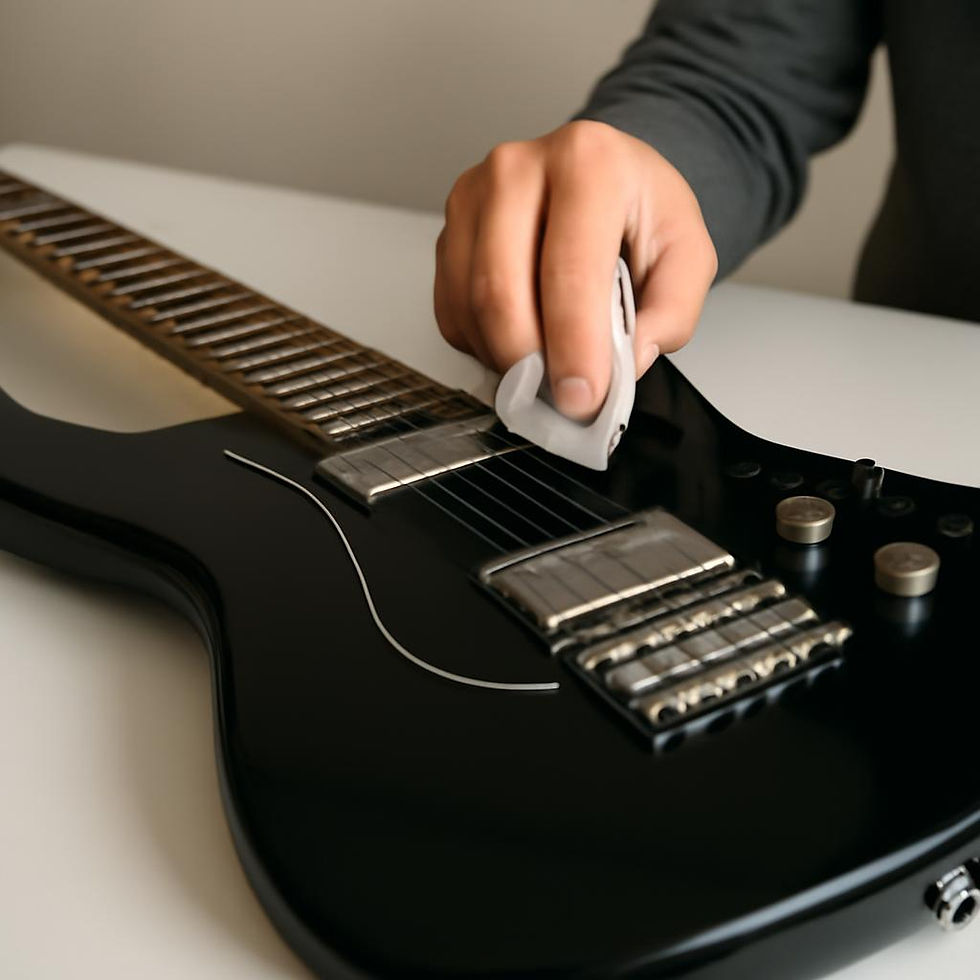
Clean the fretboard and wipe fingerprints off the body
Check tuning stability and any buzzing on open strings
Look for loose hardware: tuners, bridge screws, input jack
Take 6 clear photos: front, back, headstock, close-up of frets, close-up of any damage, serial if present
Note accessories: case, gig bag, strap, cable
How to set a quick-sale price
Start with three local comps (similar model, year, and condition). If you can’t find exact matches, use the next closest model and adjust down. Subtract 10–30% for a quick sale depending on demand and condition.
If the guitar needs a setup (action, truss rod, intonation), subtract the setup cost. A setup is often small but buyers know the number. Price so a buyer feels they can pay you and still get a fair deal after a shop tune.
If the guitar has visible damage, price it in the lower band for the model. If the damage is only cosmetic, note it clearly and show photos. Honesty builds trust and speeds the cash.
Photos and the one-line ad that works
Use natural light and a plain background. Show the whole instrument and close-ups of anything unusual. In the ad headline, say the brand and model, year if known, and your price. In one short sentence, note sound or playability: "Plays well, fresh strings, minor dings." That line answers the buyer’s main worry.
Negotiation levers you can use fast
Offer a small, limited-time discount for cash or same-day pickup. Bundle in a cheap gig bag or a fresh set of strings to sweeten the deal. If you need it gone tonight, show willingness to meet midway on price but not below your absolute floor.
Where to list to move fast
Pick one solid listing place for local buyers. Use clear photos, a short honest description, and a firm price with a note like "firm unless picked up today." Answer messages fast and be ready to meet in a safe, public spot. Cash in hand often seals the deal.
Final practical tips
Be ready with the guitar tuned and strung. Keep receipts for recent work if you have them: they help justify your price. If you want a bit more, fix one small, cheap problem first (a loose jack or a worn saddle). That effort often returns more than it costs.
If it won’t stay in tune through a short play test, assume there’s a reason and negotiate from that risk.
Today’s takeaway: Price fair, fix small issues, and present the guitar clearly to sell fast and get the cash you want.


Comments